How to Start a Charcoal Business in Africa: Complete 2026 Guide
목차
Africa is home to a charcoal market worth over $8 billion annually—yet most of this demand is met through outdated, inefficient production methods. For entrepreneurs willing to invest in modern equipment and sustainable processes, the continent offers rare growth potential.
This guide covers everything you need to know: market analysis, raw material sourcing, equipment selection, costs, and a realistic path to profitability in Kenya, Nigeria, Ghana, Tanzania, Uganda, and beyond.
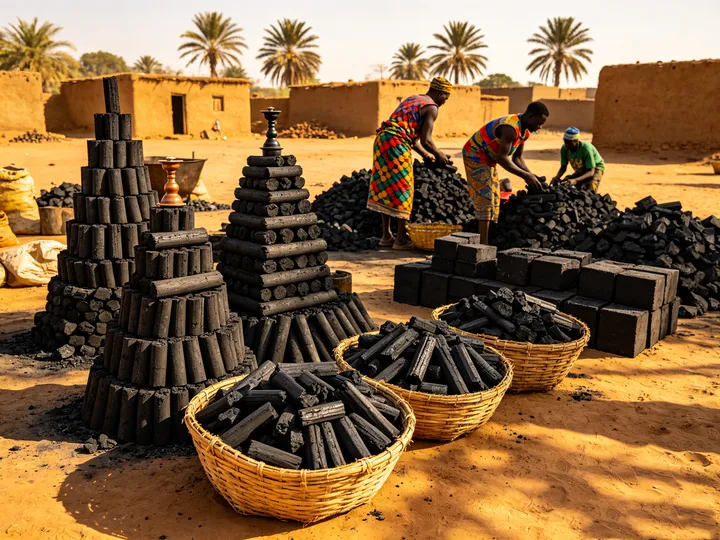
Africa Charcoal Market Overview by Country
| 국가 | Annual Consumption | Key Products | Export Potential | Business Climate |
| Nigeria | 13+ million tons | Cooking charcoal, BBQ charcoal | High (West Africa hub) | Growing |
| Kenya | 2.5 million tons | BBQ charcoal, Coconut shell charcoal | High (Middle East exports) | Favorable |
| Ghana | 1.8 million tons | Cooking charcoal, BBQ charcoal | Medium-High | Stable |
| Tanzania | 1.5 million tons | Cooking charcoal, Sawdust charcoal | Medium | Developing |
| Uganda | 900,000 tons | Coconut shell charcoal, Hardwood charcoal | High (southern Sudan markets) | Favorable |
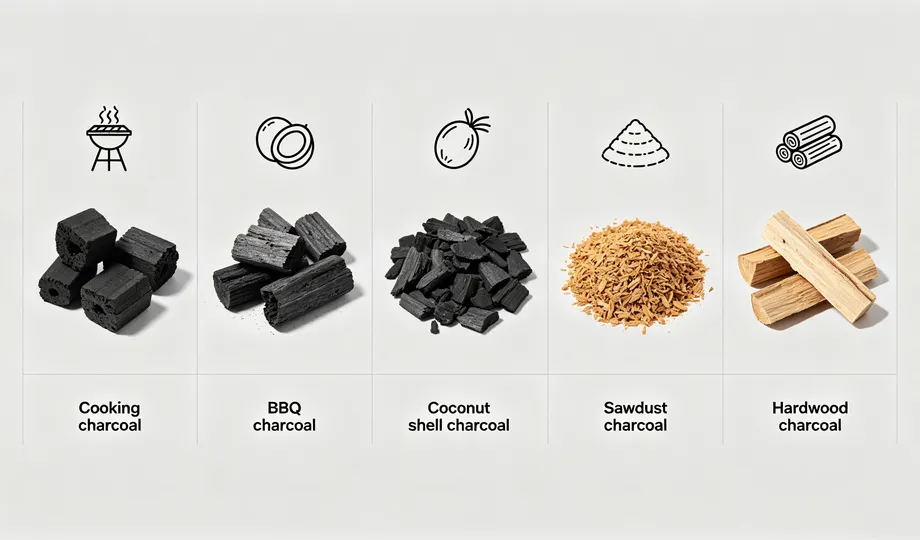
Available Raw Materials in Africa
One of Africa’s biggest advantages is abundant feedstock. Skip the imports—local materials work just fine.
Coconut Shells (Coastal Regions)
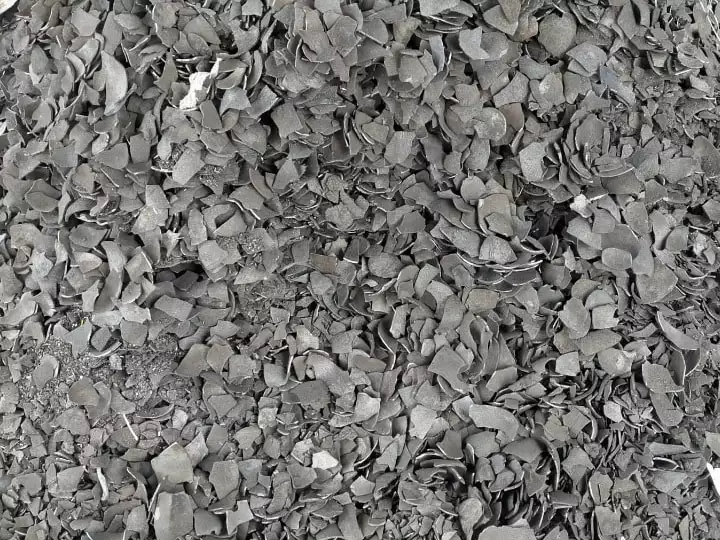
Coastal Kenya, Tanzania, Ghana, and Nigeria have millions of tons of coconut waste. Coconut shell charcoal sells for 2-3x the price of regular cooking charcoal because it burns cleaner—exactly what shisha lounges and premium BBQ buyers want.
Key regions:
- Kenya: Mombasa, Malindi, Lamu
- Nigeria: Lagos, Ogun, Ondo, Rivers
- Ghana: Central region, Volta Region
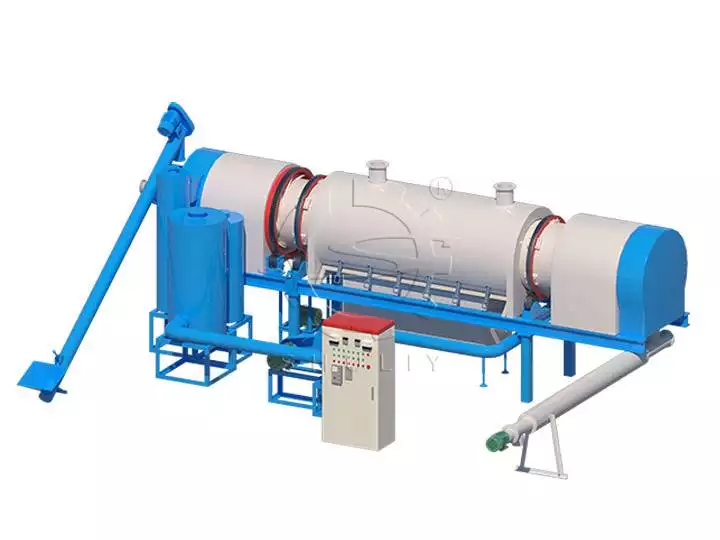
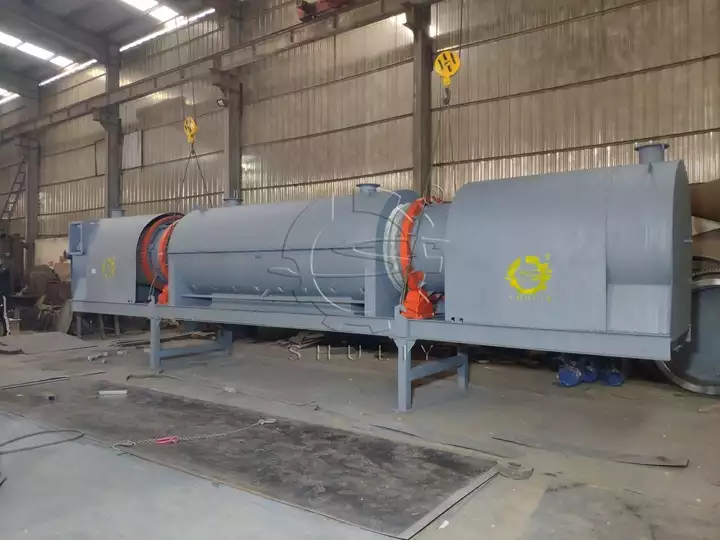
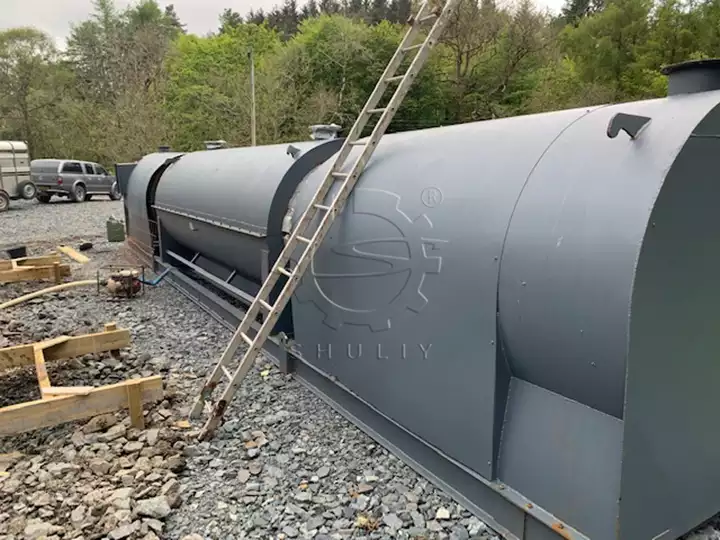
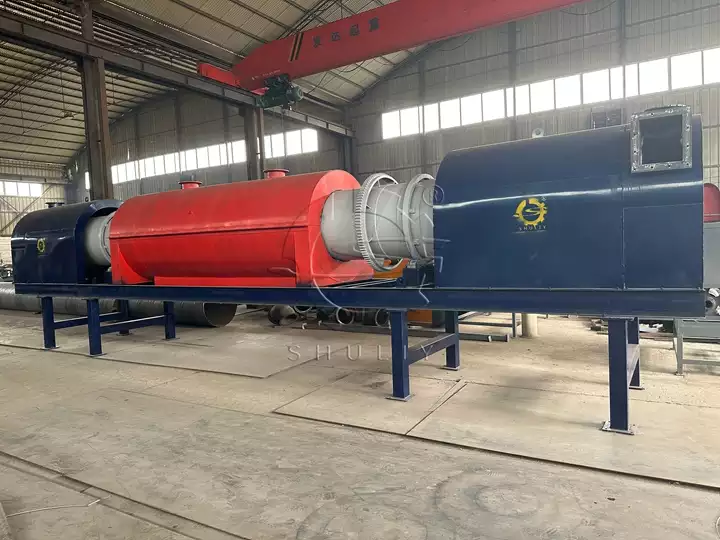
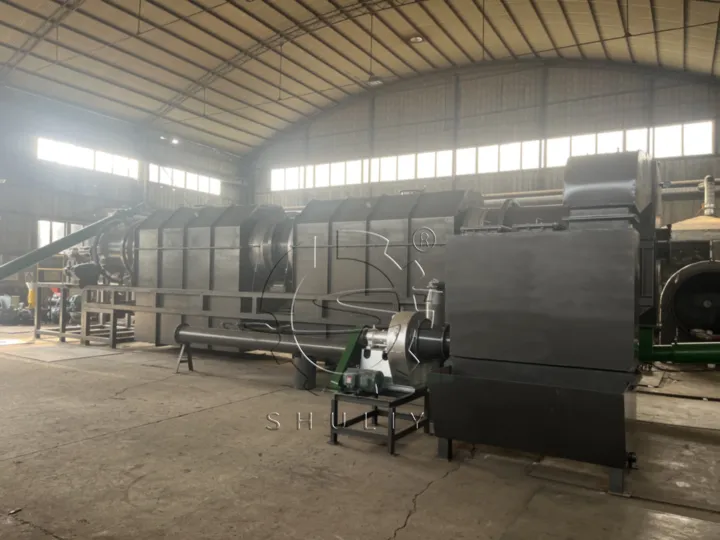
우리의 연속 탄화로 handles coconut shells at 400-1,500 kg/h.
Hardwood Logs
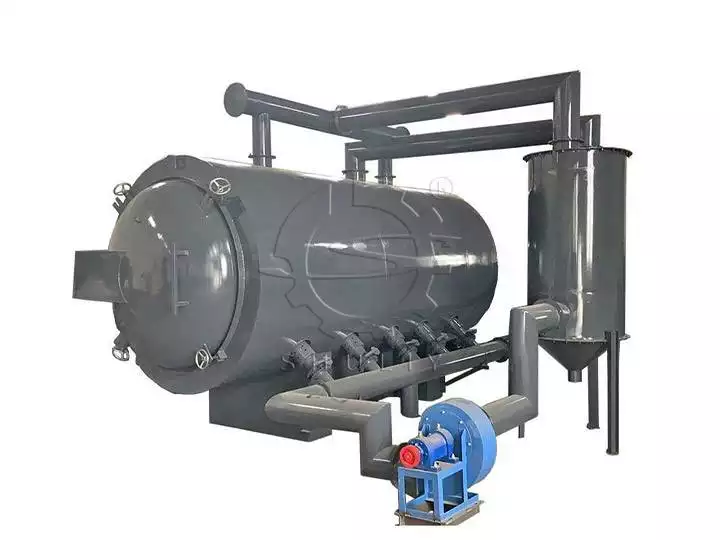
Inland countries and forest regions have access to mangrove, oak, and fruit tree wood—all produce excellent lump charcoal. The 호이스트 탄화로 works well for hardwood logs.
Agricultural Residues
Africa’s farms generate massive waste that can become charcoal:
- Rice husks – Nigeria, Ghana, Tanzania rice-producing regions
- Peanut shells – Senegal, Nigeria, Sudan
- Sawdust – sawmills nationwide
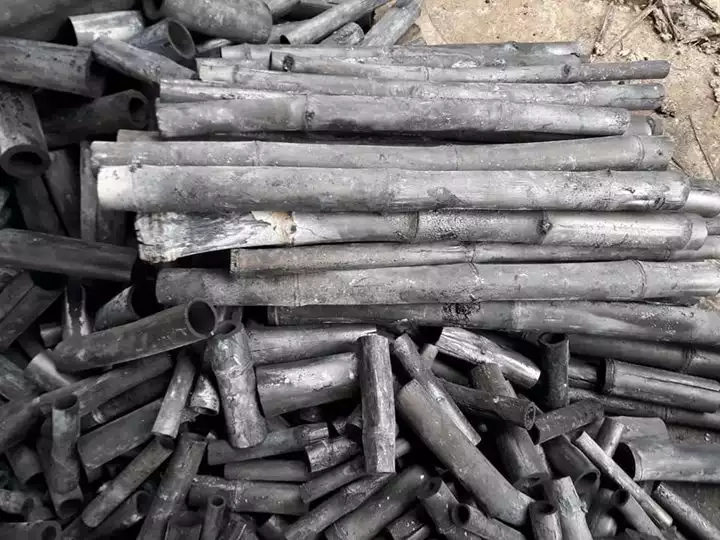
- Bamboo – Tanzania, Kenya, Uganda
Sawdust and Wood Waste
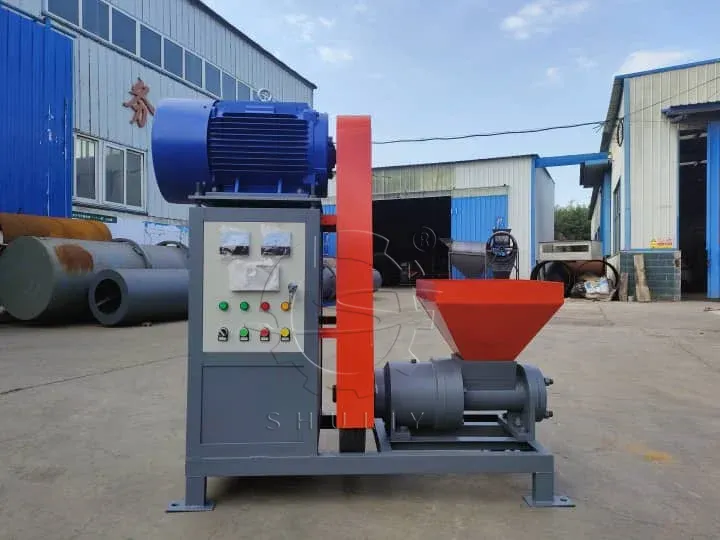
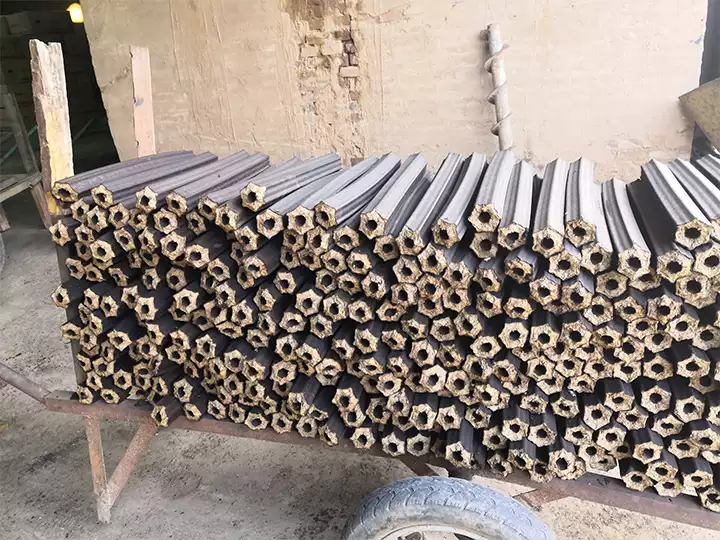
Sawmills produce tons of usable waste. The 톱밥 연탄 기계 converts this into Pini Kay fuel briquettes—1-3 tons of raw material daily per production line.
Investment Requirements and Cost Breakdown
Costs scale with capacity and automation. Here’s what to expect at each level.
Small-Scale Operation: $15,000−30,000
| Item | Cost Range | 노트 |
| Hoist carbonization furnace (1 ton/batch) | $5,000 − 8,000 | Manual feeding, batch process |
| Hammer mill/crusher | $2,000 − 3,500 | Raw material processing |
| Basic briquetting machine | $3,000 − 5,000 | Pillow or hexagonal shapes |
| Factory setup (100-200 sqm) | $2,000 − 5,000 | Basic roofing and flooring |
| Working capital (2 months) | $3,000 − 8,500 | Materials, labor, utilities |
Medium-Scale Operation: $30,000−80,000
| Item | Cost Range | 노트 |
| Continuous carbonization furnace (800-1000 kg/h) | $15,000 − 25,000 | Higher output, less labor |
| Rotary drum dryer | $4,000 − 8,000 | Handle wet materials |
| Complete briquetting line | $8,000 − 15,000 | Mixer, feeder, press |
| Factory setup (300-500 sqm) | $5,000 − 10,000 | Semi-permanent structure |
| Working capital (3 months) | $8,000 − 22,000 | Materials, labor, utilities |
Large-Scale Operation: $80,000+
Large operations need fully automated feeding, continuous carbonization, and packaging systems. Investment exceeds $80,000, but per-unit costs drop significantly—profit margins improve at scale.
Profitability Analysis and ROI of Charcoal Business in Africa
Charcoal business in Africa pays back faster than most manufacturing ventures. Here’s a real scenario from Kenya.
Case Study: Coconut Shell Charcoal in Kenya
A Kenyan entrepreneur set up a medium-scale operation with our SL-1000 continuous carbonization furnace (800-1,000 kg/h) and briquetting line.
| Metric | Value |
| Initial Investment | $45,000 |
| Raw Material | Cost $80-120 per ton (coconut shells) |
| Monthly Output | 25-30 tons of finished charcoal |
| Wholesale Price | $400-600 per ton (shisha grade) |
| Monthly Revenue | $10,000 − 18,000 |
| Operating Costs | $5,000 − 8,000 per month |
| Net Profit | $5,000 − 10,000 per month |
| ROI Timeline | 6-10 months |
What Drives Profitability
- Raw material proximity – Operations within 50 km of feedstock cut logistics costs by 30-50%
- Product grade – Shisha charcoal fetches 2-3x cooking charcoal prices
- Automation – Continuous systems reduce labor costs by 60% vs. batch processing
- Port access – Coastal locations enable profitable export sales
Step-by-Step Charcoal Business in Africa Setup Guide
Step 1: Market Research and Business Planning (2-4 weeks)
Before spending money:
- Define your target market – Cooking fuel for locals? BBQ restaurants? Shisha lounges? Export?
- Survey raw materials – Visit farms, coconut processors, and sawmills near you
- Research competitors – What are they charging? What grades are they selling?
- Secure supply contracts – Lock in raw material pricing before you start production
Step 2: Legal Registration and Permits (3-6 weeks)
Manufacturing charcoal requires paperwork:
- Business registration – Sole proprietorship, LLC, or corporation
- Environmental impact assessment – Required in most countries for manufacturing
- Fire safety certification – Non-negotiable for production
- Export licenses – If you plan to sell internationally
- Land – Industrial zones simplify permitting
Step 3: Site Selection and Factory Setup (4-8 weeks)
Location matters. Prioritize:
- Raw material proximity – 30-50 km maximum
- Road access – Heavy equipment needs delivery routes
- Power – Three-phase electricity is standard for most machinery
- Water – Required for dust control and cooling
- Distance from residential areas – Environmental compliance
Step 4: Equipment Procurement and Installation (4-8 weeks)
Machine selection drives your entire operation:
- Get quotes – Specify your raw material, desired capacity, and product type
- Verify specs – Confirm capacity matches your business plan
- Plan shipping – Most equipment ships in 20 ft or 40 ft containers
- Arrange installation – Professional setup prevents early failures
- Run trials – 2-4 weeks of test production before full launch
Step 5: Production and Quality Control (Ongoing)
Consistency builds reputation:
- Test raw materials – Moisture must stay below 15% for clean carbonization
- Monitor temperature – Keep carbonization at 400-600°C
- Inspect finished product – Check fixed carbon content, ash, and burn time
- Store properly – Keep charcoal dry to prevent moisture absorption
Step 6: Sales and Distribution (Ongoing)
Build customers systematically:
- Local distributors – Partner with firewood and charcoal dealers
- Restaurants and hotels – BBQ venues are steady buyers
- Shisha lounges – Premium coconut shell charcoal commands premium prices
- Export agents – They handle international logistics and compliance
- B2B platforms – List on Alibaba and Made-in-China to reach buyers globally
Recommended Machinery Configuration
Three proven setups based on feedstock and target market.
Configuration A: Coconut Shell Shisha Charcoal Line
For coastal operators targeting premium markets:
- 연속 탄화로 (SL-800 or SL-1000)
- Rotary drum dryer (for wet shells)
- Tablet press machine (80-100 tons)
- Packaging machine
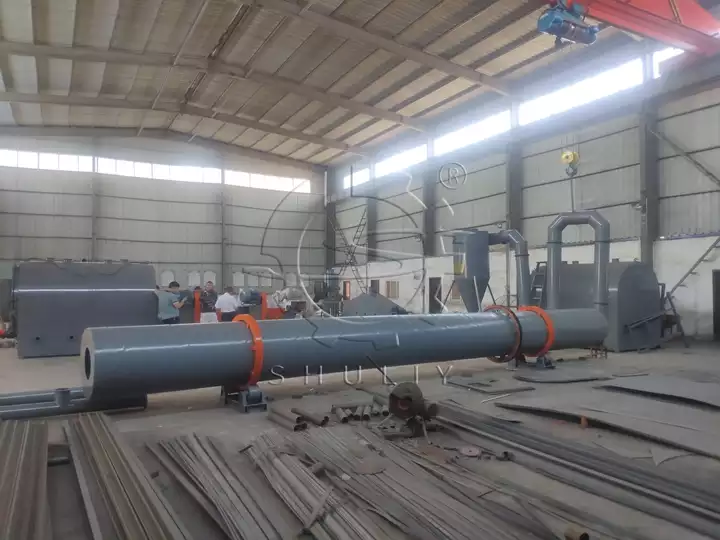
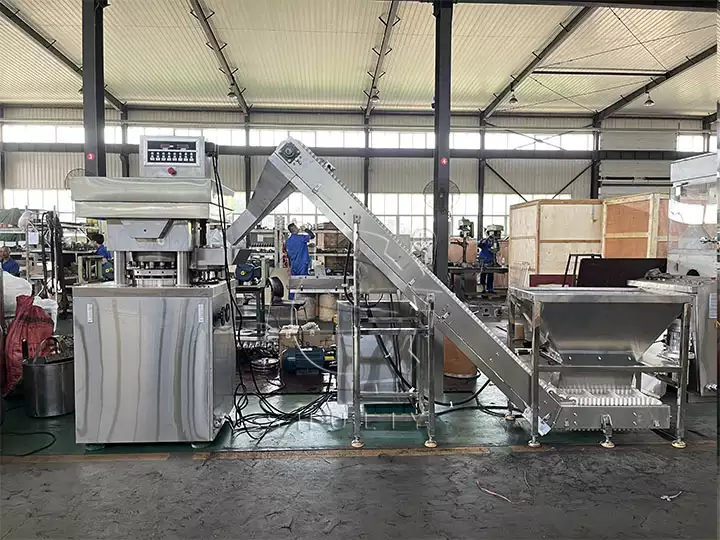
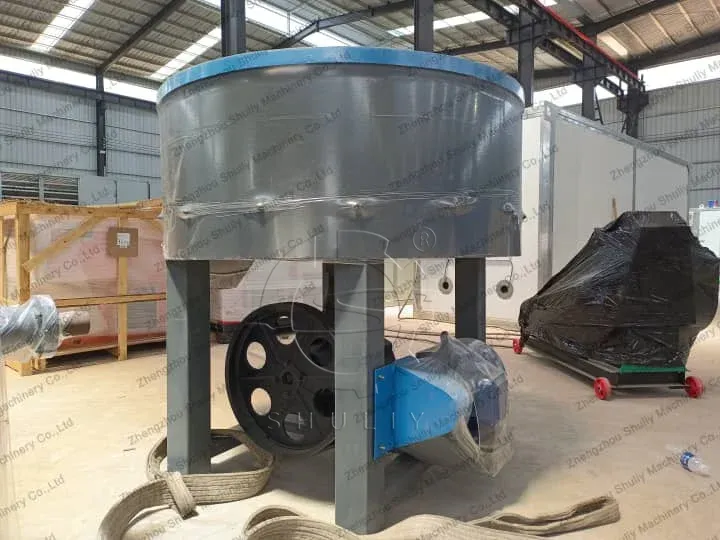
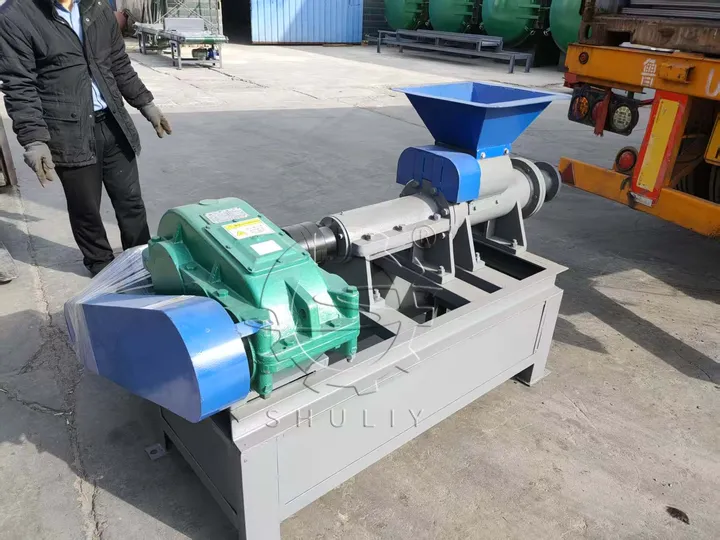
Configuration B: Sawdust Briquette Line
For areas with abundant sawmill waste:
Configuration C: Hardwood Lump Charcoal Line
For forest regions with quality hardwood access:
- Hoist carbonization furnace (SL-1300 or SL-1500)
- Drum wood chipper
- Cooling and screening equipment
- Bags and labeling system
Challenges and How to Overcome Them
Challenge 1: Raw Material Availability
- Problem: Agricultural residues are seasonal. Coconut shells face competition from other buyers.
- 해결책: Build relationships with multiple suppliers. Sign forward contracts to lock in pricing during peak supply periods. Invest in storage to stockpile when materials are cheap.
Challenge 2: Power Supply Issues
- Problem: Electricity is unreliable in many regions.
- 해결책: Install backup generators. Choose machines that run on both electric and diesel power. Consider solar-assisted drying to reduce grid dependency.
Challenge 3: Environmental Regulations
- Problem: Governments are tightening rules on charcoal production.
- 해결책: Select continuous carbonization furnaces with emission controls. Use smoke recycling—burn the gases produced during carbonization instead of venting them. Get permits before you start, not after.
Challenge 4: Market Price Volatility
- Problem: Charcoal prices shift with seasons and economic cycles.
- 해결책: Serve multiple markets—domestic plus export. Negotiate fixed-price contracts with major buyers. Produce different grades to access both budget and premium segments.
Success Stories from African Clients
Kenyan BBQ Charcoal Enterprise
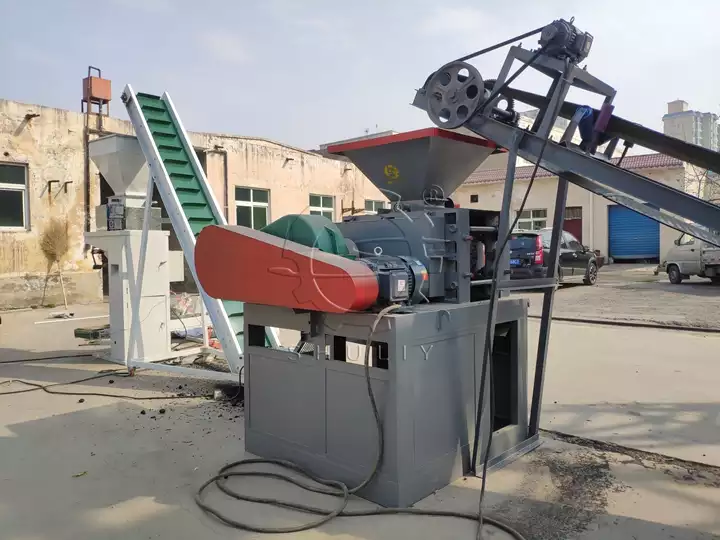
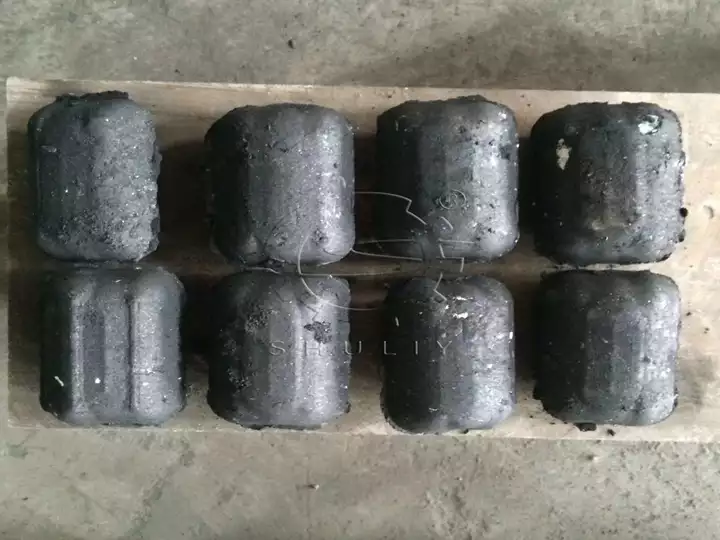
A Mombasa-based group bought our 1.2 t/h BBQ charcoal machine and focused on pillow-shaped charcoal for Middle East export. They scaled to three production lines within 18 months and now employ 25 people.
Nigerian Coconut Shell Charcoal Operation
A Lagos businessman invested in a complete coconut shell line targeting Nigeria’s growing shisha market. With our technical team supporting installation and commissioning, the operation reached full capacity in three months. Monthly output now exceeds 40 tons, supplying Abuja, Port Harcourt, and Kano.
Starting a charcoal business in Africa takes planning—but the raw materials are plentiful, demand is real, and the economics work.
Whether you target coconut shell for shisha, hardwood for cooking, or sawdust for industrial fuel, success hinges on three things: securing reliable feedstock, choosing the right equipment, and building distribution before you scale production.
Our team has helped African entrepreneurs across the continent launch and grow their operations. Contact us to discuss your specific situation and get a customized equipment and cost recommendation.